If you’ve ever stood at a checkout page staring at a bundle — say, two jars of your usual clay mask plus a travel-size “bonus” — and wondered whether you’re actually saving money or just buying more than you need, you’re asking exactly the right question. A clay mask is a rinse-off skin treatment, typically made from absorbent minerals like kaolin or bentonite (types of naturally occurring clays that pull excess oil and impurities from pores), applied once or twice a week and washed away. A single jar usually runs anywhere from under $10 to well over $100 depending on the brand and ingredient sourcing. Multi-pack bundles — sets of two or more jars, or curated kits combining a full-size with a travel version — are increasingly how prestige and mid-tier brands move volume. This article will show you how to run the actual cost-per-use math, name the hidden variables that flip the calculation, and give you a clear decision rule for your specific situation: practitioner buying for a treatment room, enthusiast stocking a personal shelf, or someone in the middle weighing an upgrade.
The Cost-Per-Use Framework (And Why “Percent Off” Is a Distraction)
Bundle pricing almost always leads with a headline discount: “Save 20%,” “Buy 2, get 1 free,” “Kit value: $120, yours for $89.” That framing is intentional. It anchors your attention to what you’re saving rather than what you’re spending and whether the spending makes sense for your usage pattern.
The metric that actually matters is cost per use — what a single application costs you after accounting for how often you mask, how much product you apply per session, and whether the product will remain effective before you finish the jar.
Here’s the core formula:
Cost per use = (Total price of unit) ÷ (Number of uses per jar)
A standard full-size clay mask jar runs between 50 ml and 100 ml. A typical application uses roughly 3–5 ml of product (a thin, even layer across the face — not a thick pack). That means a 75 ml jar yields approximately 15–25 uses, depending on how generous you are.
By the numbers — single jar vs. bundle at two common price points:
| Format | Price | Volume | Est. Uses | Cost Per Use | Tier |
|---|---|---|---|---|---|
| Origins Clear Improvement, single 75 ml | ~$30 | 75 ml | ~18 uses | ~$1.67 | ANAI — $16.49 |
| Origins Clear Improvement, 2-jar bundle | ~$52 | 150 ml | ~36 uses | ~$1.44 | ANAI — $16.49 |
| Glamglow Supermud, single 100 ml | ~$69 | 100 ml | ~22 uses | ~$3.14 | Clay — $17.97 |
| Glamglow Supermud, 2-jar bundle | ~$115 | 200 ml | ~44 uses | ~$2.61 | Clay — $17.97 |
| Aztec Secret Indian Healing Clay, 454 g | ~$10 | 454 g | ~90 uses | ~$0.11 | THESKCARE — $9.99 |
The per-use savings in the mid-tier and premium bundle examples are real — roughly 14–17%. But here’s where practitioners and enthusiasts need to diverge in their thinking.
The Hidden Variable: Shelf Life and Oxidation Risk
Clay masks are not indefinitely stable once opened. Most formulations — particularly those without robust preservative systems, or those marketed as “clean” with minimal synthetic preservatives — begin to degrade within 6–12 months of opening. Kaolin-based masks tend to be more stable than bentonite blends that incorporate active ingredients like sulfur or retinol. Cosmetics & Toiletries, in its editorial coverage of kaolin and bentonite functional differences in skin absorption, notes that formulation stability varies significantly based on what actives are suspended in the clay matrix — a detail that matters enormously when you’re deciding whether to open a second jar six months from now.
The EWG Skin Deep Database flags that product integrity timelines shorten once packaging is breached, particularly for masks with plant-based or botanical active ingredients — a category that overlaps heavily with the clean-beauty mud and mineral masks SkinMud readers favor.
What this means in practice:
- A solo enthusiast masking once a week goes through roughly 18 applications per 75 ml jar — about 4–5 months of use. A two-jar bundle means you won’t open the second jar for five months. If your mask’s PAO (period after opening, shown as the open-jar symbol on packaging) is 12 months, you’re fine. If it’s 6 months, you’ve likely wasted money.
- A treatment-room professional running three to five facials per day can easily move through a 75 ml jar in two to three weeks. For that buyer, a two-jar bundle is simply smart logistics — no stability concern, pure savings.
Paula’s Choice Expert Advice, in its guidance on clay mask use and skin barrier health, recommends that most skin types limit clay masking to one to three times per week to avoid disrupting the moisture barrier. Dermstore Blog’s clay mask frequency guide by skin type echoes this, noting that oily skin types can mask up to three times weekly without adverse effects. At the conservative end — once a week — a two-jar bundle represents roughly 36 weeks of product. That’s well within most PAO windows. At the aggressive end, you’re through both jars in 12–18 weeks regardless.
The practical checkpoint: look at the PAO symbol before buying a bundle. If the product doesn’t disclose it, contact the brand directly. For prestige lines, this information is generally available on the brand’s website or on the outer carton.
When Bundles Win, When They Don’t: Tier-by-Tier Analysis
This is the framework worth bookmarking. It’s not about whether you like the product — it’s about whether your usage cadence and storage situation align with the bundle’s economics. The analysis breaks cleanly across three purchase tiers.
Budget Tier: The Bundle Problem Is Already Solved
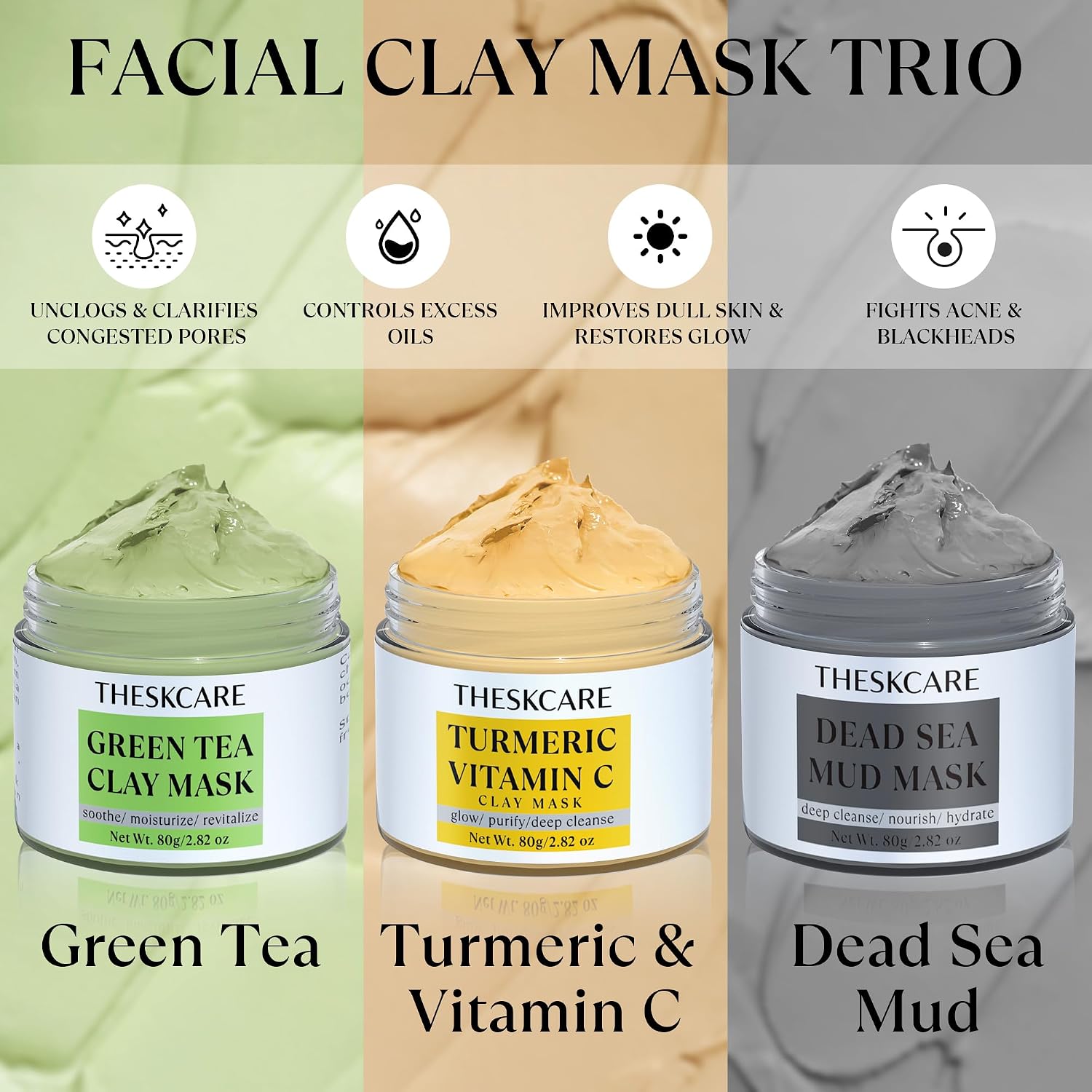
THESKCARE
$9.99
In stock on Amazon
Check price on AmazonAt the budget tier, the value equation is largely pre-settled by volume. Aztec Secret Indian Healing Clay at roughly $10 for 454 grams delivers approximately 90-plus face-only applications — a cost per use below $0.15. There is no meaningful bundle math problem at this price point. You buy it, you use it, and the per-use cost is so low that the bundle concept is essentially irrelevant. The only genuine consideration here is storage: a large container of raw clay powder, once opened, needs to be kept away from moisture to avoid clumping. If your storage situation is poor, a smaller single purchase beats a large-volume buy even at this price tier.
For buyers in this range, Byrdie’s editorial testing of widely available clay masks consistently notes that high-clay-concentration drugstore formulas often outperform their price point in oil absorption — which means a budget-tier single purchase can be a smart first step before committing to anything higher.
THESKCARE
$9.99
In stock on Amazon
Check price on AmazonMid-Tier: Where Bundle Math Actually Matters
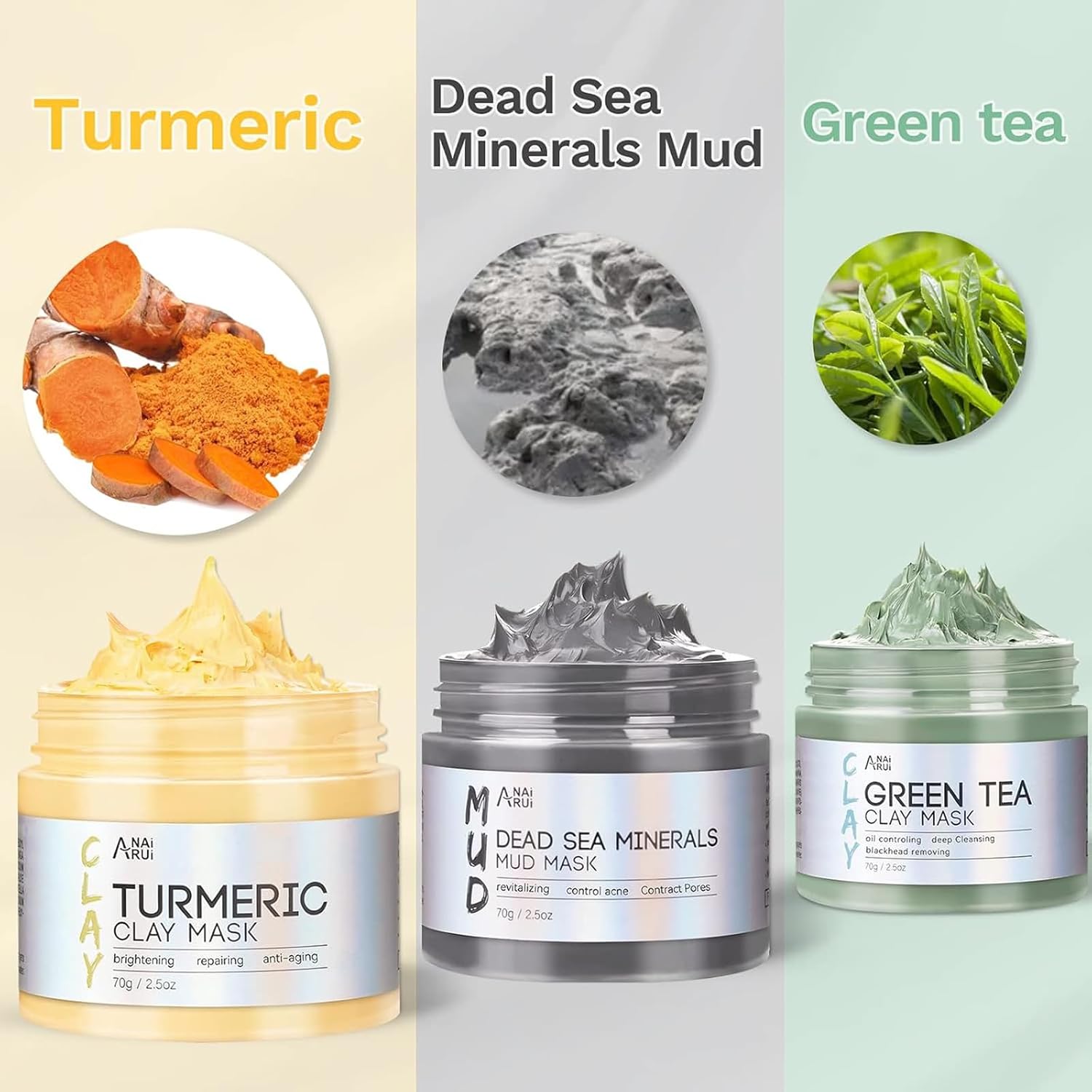
ANAI
$16.49
In stock on Amazon
Check price on AmazonThe mid-tier range — roughly $25 to $65 per jar — is where bundle decisions have the most practical consequence. This is the segment where brands like Origins, OSEA Malibu, and comparable lines live, and it’s where the 14–17% per-use savings from a two-jar bundle is genuinely meaningful without requiring an uncomfortable long-term commitment.
At this tier, the recommendation is straightforward: buy a single jar first, confirm the formula works for your skin type, then move to a bundle on your second purchase. Byrdie’s editorial guidance on clay masks has repeatedly recommended single-jar trials before committing to larger formats — a principle that applies equally across mid-tier and prestige categories. Once you’re a confirmed fan, the bundle clears the threshold on every metric: per-use savings exceed 15% in most cases, PAO windows are comfortably within reach at standard masking frequency, and the product is proven for your skin.
The exception is practitioners. At this price point, a treatment-room professional sourcing for client use should go directly to the multi-unit buy. Stability is a non-issue given professional volume, and the logistics argument alone — fewer reorder cycles — justifies the bundle format.
ANAI
$16.49
In stock on Amazon
Check price on AmazonPremium Tier: High Stakes, High Scrutiny
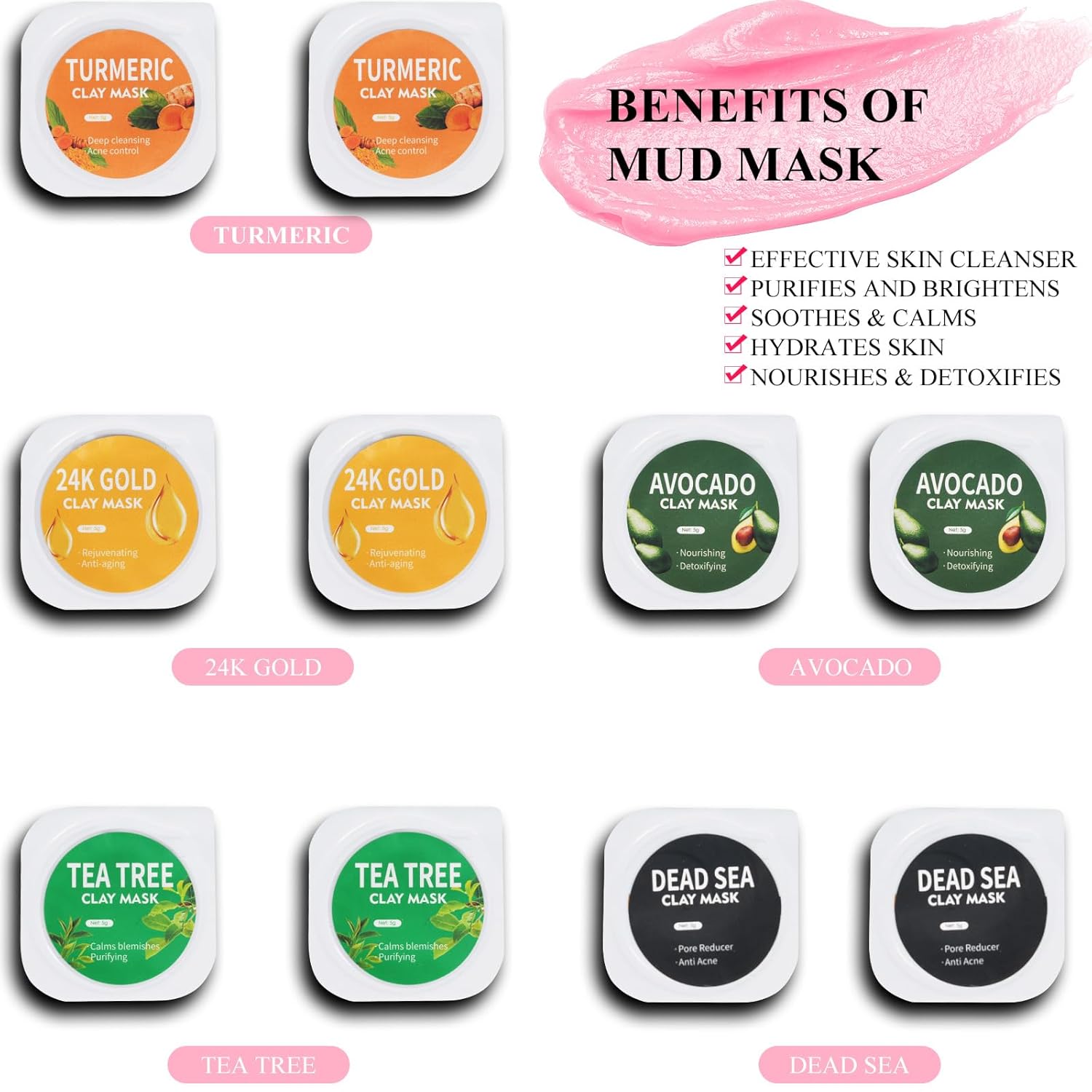
Clay
$17.97
In stock on Amazon
Check price on AmazonAt the premium tier — $65 and above, covering formulations like Glamglow Supermud, 111SKIN Celestial Black Diamond Lifting Mask, Eminence Organics Stone Crop Masque, and professional-channel collections from brands like Ahava and Premier Dead Sea — the bundle question shifts entirely.
A $185 jar used twice monthly yields roughly 9 applications from a 75 ml jar — that’s over four months per jar. A two-jar bundle at premium pricing means nearly a year of product. At that timeline, PAO compliance and proper storage (cool, dry, away from direct light) are critical, not optional.
Healthline’s coverage of kaolin clay benefits for skin notes that kaolin is the gentlest absorbent clay and may not deliver the pore-clearing results that oily or congested skin types expect from a stronger bentonite formula. This distinction matters enormously at the premium tier, where you’re paying for a specific formulation outcome. If you’re mid-exploration of whether a premium clay type actually performs for your skin concerns — or your clients’ — committing to a premium bundle before confirming that fit is a compounding risk: both the product itself and the format represent sunk cost if either doesn’t land.
For confirmed premium users who know their formula, the math is worth running carefully. Even a 12–15% discount at the $115–$200 price point represents $15–$30 in real savings per purchase cycle. That’s meaningful — but only if the second jar gets fully used within its PAO window. The decision rule: calculate your realistic applications per month, divide the PAO (in months) by your reorder cycle, and confirm you’ll clear both jars before stability becomes a concern.
Clay
$17.97
In stock on Amazon
Check price on AmazonThe Decision Rule
If you’re staring at a bundle right now, run this in order:
- Check the PAO. If you can’t finish both jars before the PAO expires at your realistic masking frequency, stop here. Single jar.
- Calculate per-use savings. If the discount is under 10%, the math doesn’t justify the commitment. Single jar.
- Confirm you’ve used the product before. New-to-you product in a bundle is a compound risk. Single jar first.
- If all three pass: the bundle is likely the right call — especially if you’re a practitioner, a confirmed fan of the formula, or moving through product quickly enough that stability is a non-issue.
Prestige skincare is a considered purchase, not a commodity. Bundles can extend your dollar or just extend your inventory. The difference comes down to knowing your cadence and reading the label — which, as always, is where the real value lives.
Ready to compare specific formulas side by side? Use the SkinMud comparison tool to stack clay masks by clay type, price per ml, and skin-type fit — and find the format that actually matches how you mask.