If you’ve ever stood in front of a clay mask display — or scrolled through a distributor catalog for your treatment room — you’ve run into this exact fork: the peel-off format (a gel or paste you spread on and then lift away in a single satisfying film) versus the wash-off format (a thicker clay paste you rinse clean with water after it sets). Both are marketed with language like “deep pore cleansing” and “blackhead clearing,” and both contain some version of clay — a naturally occurring mineral ingredient (kaolin, bentonite, and French green clay are the most common) that physically binds to oil and debris on the skin’s surface. What they don’t share is how they do that work, how aggressively they do it, or which skin types and use-cases they actually serve. If you’re sourcing masks for clients, building a tiered retail menu, or just trying to stop buying the wrong format for your own skin, this breakdown will get you to a clear decision.
What Each Format Is Actually Doing to the Pore
Let’s separate marketing from mechanism, because the distinction matters more than most product pages let on.
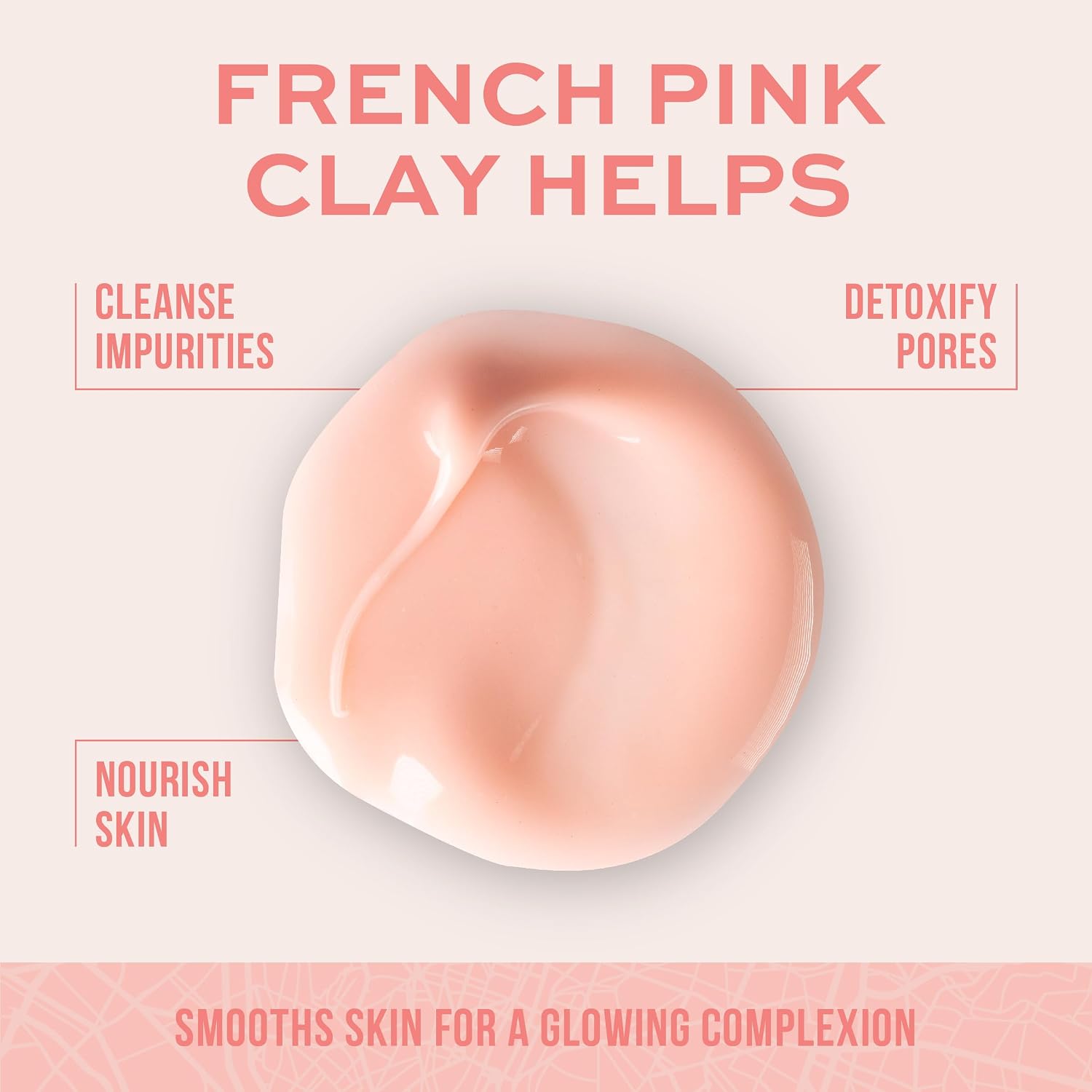
Wash-off clay masks work primarily through adsorption — the clay mineral particles carry a mild negative ionic charge that attracts positively charged sebum (skin oil) and surface debris, pulling them away from the pore lining as the mask sets. According to Healthline’s article “Clay Masks: Benefits, Side Effects, and How to Use Them,” kaolin and bentonite in particular are well-documented adsorbents in both cosmetic and pharmaceutical literature. When you rinse, you take that bound material with you. The clay itself doesn’t penetrate the pore; it works at the surface and the very top of the follicle opening. The result is a genuine reduction in surface oil and a temporary tightening sensation from water evaporation — but pore “size” doesn’t permanently change, because pores are not muscle tissue with an open-and-close function. Paula’s Choice Expert Advice, in its guidance on pore-minimizing products, makes this point clearly and consistently: the appearance of pores can improve with regular use, but no topical product restructures follicle architecture.
Peel-off masks work on a fundamentally different mechanical principle. Most peel-off formulas use a film-forming polymer — polyvinyl alcohol (PVA) is the industry workhorse, though cleaner-leaning brands are shifting toward plant-derived alternatives like pullulan or carrageenan — that creates a flexible membrane as it dries. When you peel that membrane away, it lifts with it whatever has adhered to its underside: dead skin cells, surface sebum, and, theoretically, the tips of oxidized sebum plugs (what most people call blackheads). Cosmetics & Toiletries, in its formulation coverage of clay-based mask products, notes that the actual clay content in many peel-off formulas is lower than in wash-off counterparts — clay is added for marketing familiarity and a degree of oil-binding during the dry-down phase, but the primary action is mechanical adhesion during removal.
The honest takeaway: wash-off masks clean chemically; peel-off masks clean mechanically. Neither is superior in the abstract. The right choice depends entirely on what you’re trying to accomplish and what skin barrier you’re working with.
Format Comparison: Three Tiers, Three Use Cases
This is where the analysis becomes useful for purchase decisions. Rather than an abstract ranking, the most practical way to navigate the wash-off versus peel-off question is by tier — budget, mid-range, and premium — because the formulation quality gap between tiers is significant, and the barrier risk profile shifts meaningfully at each price point.
Budget Tier: High Clay Concentration, Lower Barrier Stakes
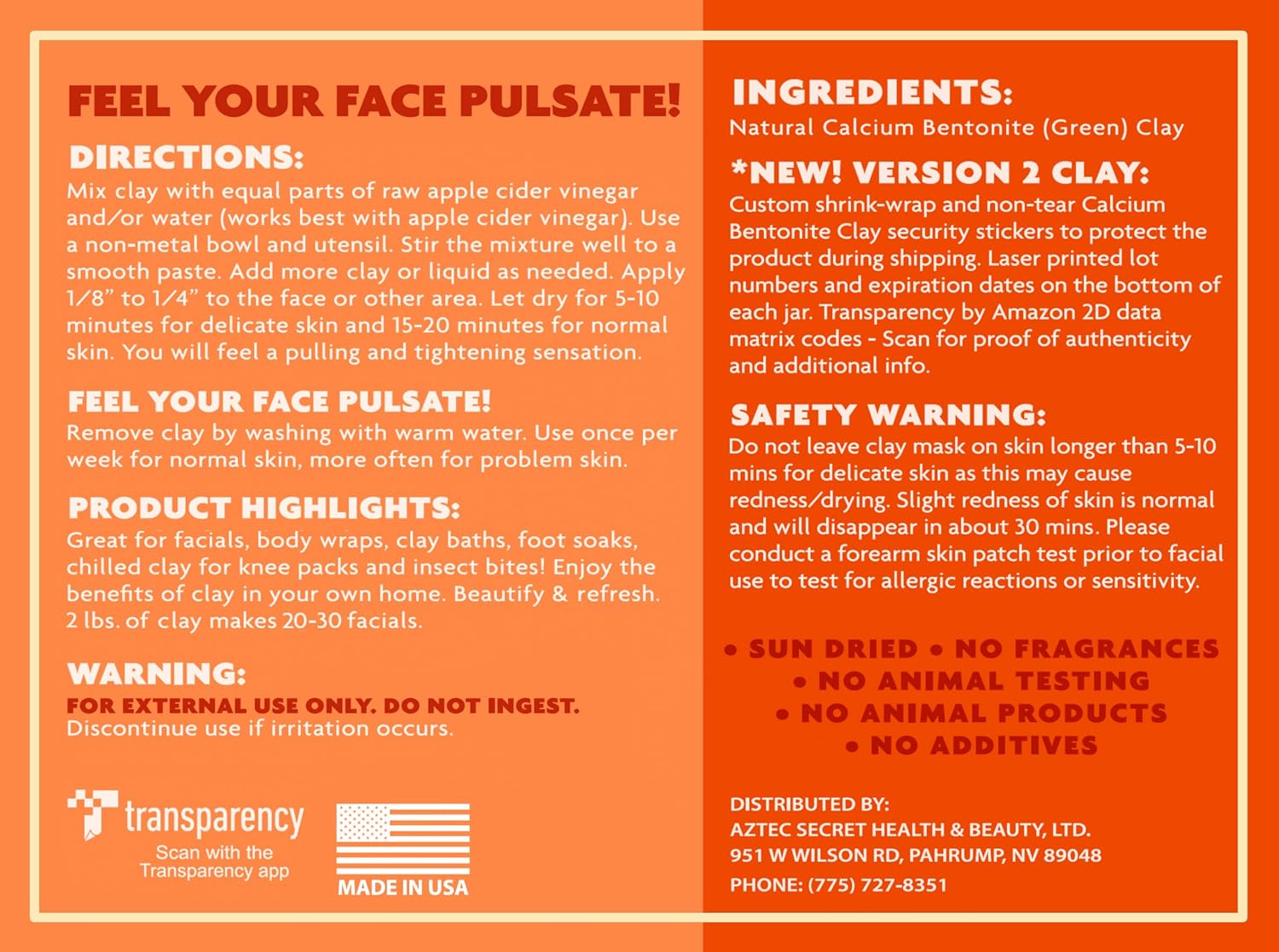
At the entry price point (roughly $10–$20), wash-off formulas have a clear structural advantage. A single-ingredient bentonite clay like Aztec Secret Indian Healing Clay delivers a clay concentration that most peel-off products at any price point don’t match. There’s no film-forming polymer to create adhesion stress, no fragrance load common in budget peel-off alternatives, and the format tolerates the kind of enthusiastic overuse that budget buyers are most likely to practice — frequent applications without the same accumulating barrier disruption risk.
Budget peel-off masks exist in this tier, but formulation shortcuts are more common: synthetic fragrance, higher PVA concentrations to keep costs down, and thinner clay additions that deliver less adsorption benefit than the peel-off mechanics might imply. For first-time mask buyers or clients on a tight budget, the wash-off format at this tier is the safer, more efficacious default.
Freeman
$6.98
In stock on Amazon
Check price on AmazonMid-Tier: Where Format Differentiation Earns Its Price
In the $25–$70 range, formulation sophistication increases for both formats, and the decision between them becomes genuinely more nuanced.
Wash-off masks at this tier — Origins Clear Improvement (activated charcoal plus white china clay) and Glamglow Supermud (activated charcoal plus a multi-acid blend) — introduce functional additions that meaningfully extend the adsorption benefit. Glamglow Supermud sits in interesting territory: reviewers across aggregated feedback consistently describe a deep-cleansing result that clients often compare favorably to peel-off outcomes, without the mechanical adhesion stress. This is partly attributable to the acid component, which assists in loosening debris at the follicle opening before the clay binds and carries it away during rinse.
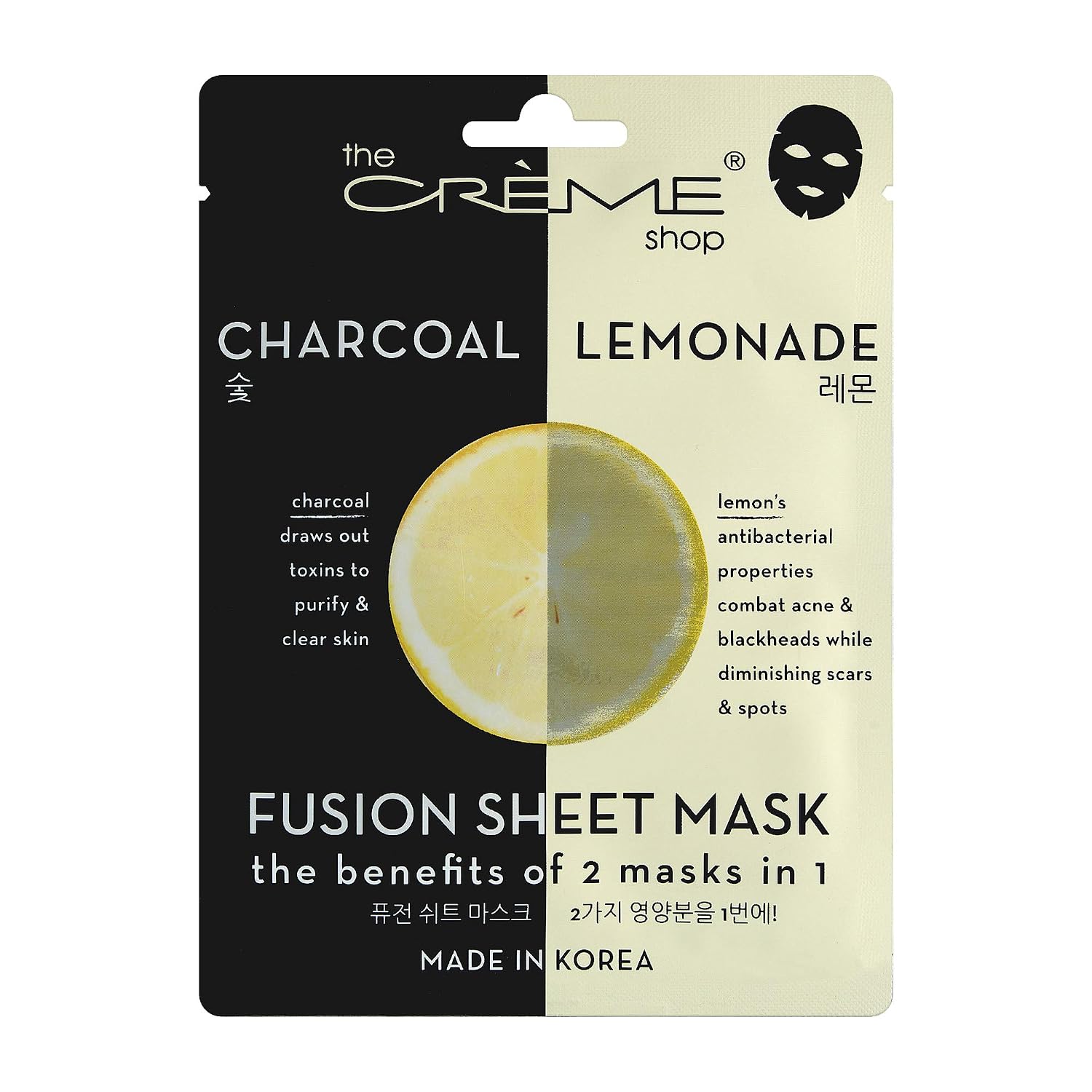
Mid-tier peel-off masks are where the format’s blackhead-clearance claims are most defensible — and where the frequency ceiling matters most. Byrdie’s coverage of peel-off mask efficacy, in its “Peel-Off Masks: Are They Actually Good for Skin?” feature, notes that while the format can remove the oxidized tips of sebaceous filaments (the technical term for what most clients call blackheads), it does so indiscriminately. It also lifts vellus hair, newly formed skin cells, and some of the lipid-protein matrix that holds the surface of the stratum corneum together. At mid-tier, higher-quality PVA concentrations and better-calibrated adhesion levels reduce but do not eliminate this risk. Frequency discipline — no more than once per week for normal-to-oily skin — remains non-negotiable.
The
$7.50
In stock on Amazon
Check price on AmazonPremium Tier: Treatment-Room Standards and the Barrier Investment Argument
Above $70, and especially in the professional treatment-room category, the format question tilts decisively toward wash-off — specifically, high-mineral-concentration Dead Sea mud and professional-grade kaolin formulas.
Professional Dead Sea mineral collections from suppliers like Ahava and Premier ($60–$200+ wholesale) represent the wash-off format at its most credential-heavy: mineral concentrations that exceed what most retail formulas deliver, pH profiles calibrated for treatment-room supervision, and a sourcing narrative (Dead Sea mineral density, hypersaline provenance) that supports the premium retail conversation. Estheticians in clean-beauty practices consistently report that botanical-forward, kaolin-based wash-off formulas — such as OSEA Malibu Mud Mask and Eminence Organics Stone Crop Masque — are well-tolerated across mixed skin type clienteles, a meaningful clinical advantage when you can’t always pre-screen every client’s barrier status before a retail recommendation.
The EWG Skin Deep Database rates kaolin as low-hazard with minimal irritation potential across cosmetic formulations, a profile that makes kaolin-dominant wash-off masks the defensible default in the premium segment for any client with sensitive or reactive history.
Premium peel-off formats do have a treatment-room use case, but it’s narrow: as a targeted back-bar step for oily or acne-prone skin, or as a visual engagement moment in a multi-step facial where the satisfying removal adds experiential value. A product like 111SKIN Celestial Black Diamond Lifting Mask (~$185) used correctly — as an occasional treatment rather than a weekly ritual — has a favorable cost-per-use profile precisely because the frequency ceiling is low. It should not function as the primary pore-cleansing mechanism in a professional protocol, and it should never be layered with active exfoliation steps in the same session. Mechanical removal plus chemical exfoliation on the same day is a reliable path to barrier compromise.
Aztec
$14.95
In stock on Amazon
Check price on AmazonThe Barrier Health Argument: Frequency Is the Real Variable
Here’s the tradeoff that gets underweighted in most format comparisons: the mechanism matters less than the frequency discipline around it.
Allure, in its “Clay Masks 101: What They Actually Do to Your Skin” feature, makes the point that over-masking — using any clay format too often — depletes natural oils and disrupts the skin’s moisture barrier regardless of wash-off versus peel-off format. The difference is that peel-off masks have a lower frequency ceiling before that depletion starts showing up as visible symptoms.
For a client with normal-to-oily skin, a wash-off bentonite mask three times per week may be sustainable. The same client using a PVA peel-off mask three times per week is very likely to start showing barrier symptoms — tightness, flaking, reactive redness — within two to three weeks. This is a live clinical consideration for estheticians building treatment protocols or retail regimen cards.
If your clients are the type who over-apply (and most are), a wash-off format gives you more safety margin. If you’re recommending a peel-off, the frequency guidance needs to be explicit and communicated at the point of sale: once per week as a ceiling for most skin types, and once every two weeks for anyone with any redness or sensitivity history.
This is also a value-framing opportunity at the premium tier. A high-investment peel-off treatment used correctly — infrequently, with barrier recovery time between sessions — has a better actual cost-per-use outcome than a cheaper peel-off purchased and then used aggressively enough to create reactive skin requiring corrective spend.
The If/Then Decision Frame
Based on published formulation data from Cosmetics & Toiletries, ingredient safety profiles from the EWG Skin Deep Database, and expert guidance from Paula’s Choice Expert Advice and Healthline, here is the simplified decision tree:
If your primary goal is sebum control and surface clarity — especially for oily or combination skin — go wash-off, high clay concentration (bentonite or kaolin at 15%+). Budget tier: Aztec Secret Indian Healing Clay. Mid-tier: Origins Clear Improvement or Glamglow Supermud. Treatment room: professional Dead Sea mineral formulas.
If your primary goal is texture smoothing and a visible blackhead-clearance result for a resilient, non-reactive skin type — and you can commit to a once-per-week ceiling — a mid-tier peel-off format delivers that mechanical satisfaction in a way wash-off doesn’t replicate. Know what you’re tolerating when you choose it.
If you’re building a retail menu for mixed clientele, default to wash-off as your anchor recommendation. Introduce peel-off as an optional upgrade for specific skin types with explicit frequency education attached. Never let a peel-off be the unsupervised take-home recommendation for a client whose barrier status you haven’t assessed.
If budget is the primary constraint, the cost-per-use math almost always favors wash-off: higher clay concentration does more work per application, the sustainable frequency is higher, the jar lasts longer, and the barrier risk of over-application is lower — meaning less reactive-skin corrective spend downstream.
The format question resolves faster than it seems once you stop evaluating masks by claim language and start evaluating them by mechanism, barrier tolerance, and frequency ceiling. Run that frame against your current lineup or your pending purchase decision — most of the checkout deadlock clears immediately.
Ready to compare specific formulas side by side? Use the SkinMud comparison tool to stack wash-off and peel-off options by clay concentration, skin type suitability, and cost-per-use — and find the mask that actually matches your protocol.